
Selling a House With Mold: Disclosure, Cleanup Rules, and As-Is Buyers
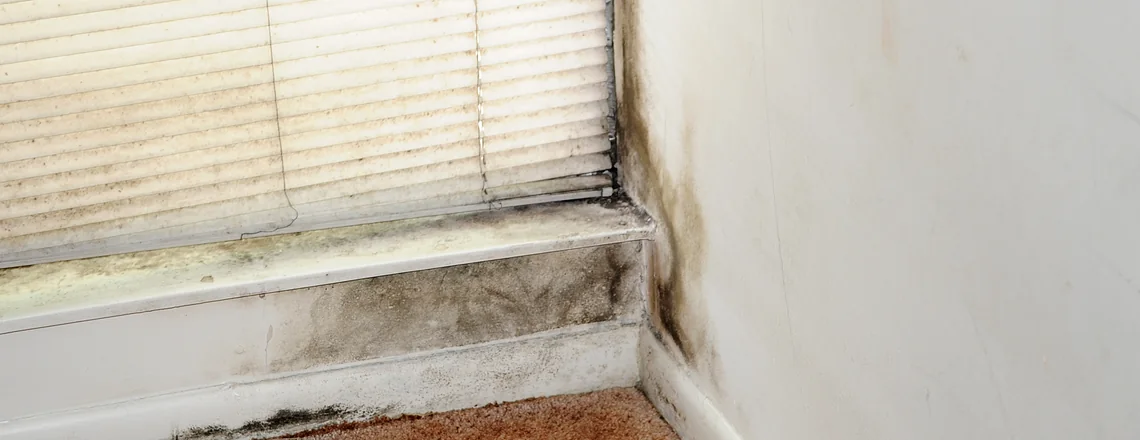
You pulled the dresser away from the wall, or lifted the carpet in the spare room, and there it was. Now you want to sell and you are wondering whether you just inherited a problem that has to be solved before anyone will write you a check. Short version: you can sell it. Mold is one of the most common reasons people call a cash buyer, and houses with it change hands every week. What mold does is narrow the list of people who are allowed to buy, and it puts one obligation on you that you cannot negotiate away. This guide walks through where mold actually comes from, how the size of the patch decides who may legally clean it, what you owe a buyer in writing, what your insurance will and will not pay, and the two honest routes out.
Key highlights
- Mold is a symptom. The EPA is blunt about it: you cannot get rid of all mold indoors, you control the moisture instead, and wet material dried within 24 to 48 hours usually will not grow anything.
- Ten square feet is the line most guidance draws between a weekend job and a contractor. New Jersey splits it further at 100 square feet.
- Some states license this work and some do not. Texas requires a licence once a project hits 25 contiguous square feet. Florida licenses assessment and cleanup over 10 square feet. Georgia licenses neither.
- Texas writes the paperwork into the sale: a seller must hand the buyer a copy of every mold remediation certificate issued for the house in the previous five years.
- Insurance usually pays for the water, not the mold. Policies commonly cap remediation even when the damage itself is covered.
- An as-is cash sale skips the remediator, the clearance test and the lender, and closes in weeks on a date you choose.
The short answer
Yes, you can sell a house with mold in it, and no state requires you to clean it up first. Three routes are realistic. Fix the water source, have the mold removed, keep the paperwork, and list to the full market. List it as it stands, disclose what you know, and accept that financed buyers will come and go while their lenders and inspectors argue about it. Or sell as-is to a cash buyer who prices the damage in and closes on your date without an appraiser setting foot in the house. Which route fits depends on two numbers only you know: how much you can spend on a house you are leaving, and how many more months you want to own it. The one route that never works is painting over it and saying nothing.
Mold is a water problem wearing a disguise
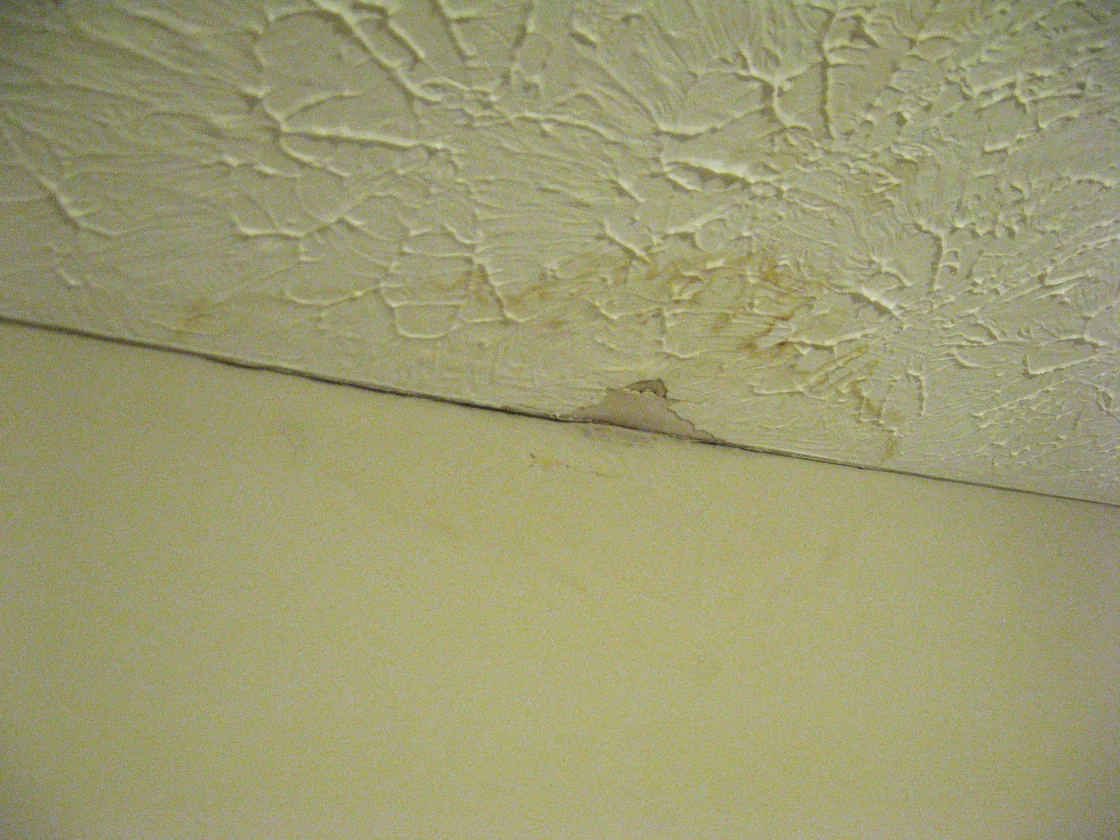
Here is the thing that saves sellers money, and almost nobody says it first. Mold is not the problem. Water is the problem, and mold is what grows on the evidence. The EPA’s guide for homeowners says it in one sentence: “It is impossible to get rid of all mold and mold spores indoors.” Spores are in the air and the dust of every house in America. They do nothing until something gets wet and stays wet.
Which is why scrubbing a wall solves nothing on its own. If the shower pan is still leaking behind the tile, or the gutter still dumps against the foundation, or the bathroom fan vents into the attic instead of outside, the same patch returns in a season and the next buyer finds it anyway. The EPA’s advice for keeping it from starting is unglamorous and specific: keep indoor humidity below 60 percent, and ideally between 30 and 50 percent.
The real deadline in this whole subject is 24 to 48 hours. The EPA says to dry water damaged areas and items within 24 to 48 hours to prevent mold growth, and that material dried inside that window will in most cases not grow anything at all.
That window is why a pipe you catch on a Saturday morning is a plumbing bill, and the same pipe behind a wall in a house nobody visits becomes a remediation project. If the house is standing empty, this is the clock running against you: our guide to selling a vacant house covers what else an empty house quietly costs.
So when you go looking, look up and look for the source. A ring on a ceiling means the roof or the bathroom above it. A dark line along a baseboard means the slab, a drain line or rain getting in at grade. If the roof is the culprit, that is its own conversation, and we wrote it out here: selling a house that needs a new roof.
How big the patch is decides everything
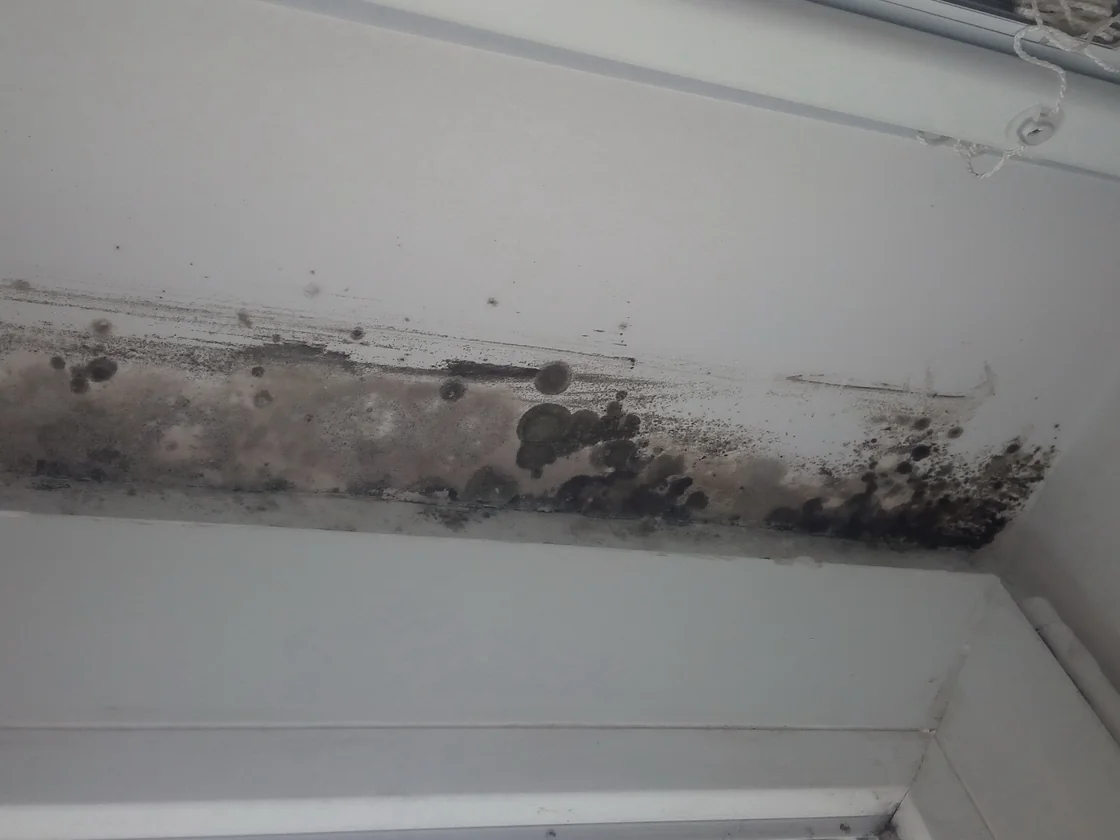
Before you phone a single contractor, measure the affected area. Almost every rule in this subject is written around square feet, and the number in your head is usually bigger than the number on the tape.
The EPA says that if the moldy area is less than about 10 square feet, you can usually handle the job yourself by following its guidelines. New Jersey’s health department turns that into three tiers for residents: under 10 square feet a homeowner may be capable of doing the work, between 10 and 100 square feet “a professional opinion should be sought”, and above 100 square feet you want a contractor with real experience in mold or environmental cleanup.
Then your state gets a vote, and the states disagree with each other.
- Texas licenses the trade, with a threshold. Under Texas Occupations Code section 1958.102, no licence is required where the contamination affects “a total surface area for the project of less than 25 contiguous square feet”. An owner may work on their own residential property with fewer than 10 dwelling units, as long as they are not in the business of doing mold work for the public.
- Florida draws its line at 10 square feet. The definitions in Florida Statutes section 468.8411 only treat work as licensed mold assessment or remediation once growth is “greater than 10 square feet”, and section 468.841 exempts “a residential property owner who performs mold remediation on his or her own property”.
- Georgia has no licence at all. University of Georgia Extension says flatly that “in Georgia, and many other states, there are no licensing requirements for mold professionals”, and tells homeowners to look for training and credentials from a reputable mold or indoor air quality association instead.
One Florida rule is worth borrowing no matter where you live. Section 468.8419 forbids a mold assessor from performing remediation on a structure it assessed in the previous 12 months, and bans assessors and remediators from paying each other for referrals. The reason is obvious once you see it written down: the person who tells you how bad it is should not be the person who gets paid to fix it. First violation is a misdemeanor, and a third is a felony.
And about testing. The EPA’s position is that if visible mold growth is present, sampling is unnecessary, partly because there are no federal standards to compare a result against. Pay for a test when you can smell it but cannot find it, or when you want proof after a cleanup. Not to put a number in a listing.
What you have to tell a buyer
This is the part that is not optional, and it is the part sellers get wrong.
Most states run on a disclosure form plus a common law duty underneath it. Florida’s version is the one everyone cites. In Johnson v. Davis, 480 So. 2d 625 (Fla. 1985), the state supreme court held that where a seller of a home knows of facts materially affecting the value of the property which are not readily observable and are not known to the buyer, the seller has a duty to disclose them. Mold behind a vanity is the textbook example of a fact that is not readily observable. Selling “as is” does not switch that duty off; it just means you are not promising to repair anything.
Texas puts it on a form with a deadline attached. The seller’s disclosure notice in Texas Property Code section 5.008 asks about previous water penetration into a structure, previous flooding, and whether the seller is aware of any item or system on the property in need of repair.
Texas deadline: the notice must be delivered “on or before the effective date of an executory contract binding the purchaser to purchase the property”. Hand it over late and the buyer may terminate the contract for any reason at all within seven days of receiving it.
Texas adds a second document for this exact subject. Under Occupations Code section 1958.154, a licensed remediator issues a certificate of mold remediation, and a seller “shall provide to the buyer a copy of each certificate issued for the property” during the five years before the sale.
Treat that Texas rule as the standard everywhere, because it is good practice even where it is not law. Keep the invoice, the scope of work, the photos and any clearance letter in one folder, and hand the folder over. A documented repair is an asset. An undocumented one is just a story the buyer has to take on faith.
The practical test is simple. Write down what you know: where the water came from, when you noticed it, what you did, what you did not do. A buyer who hears it from you negotiates. A buyer who finds it themselves after you said nothing starts counting the months until the statute of limitations runs out.
What insurance actually pays for
Before you spend your own money, check the policy, and set your expectations low in a useful way. Homeowners insurance is built to pay for sudden accidents, not for slow neglect, and mold sits right on that fault line.
New York’s Department of Financial Services states the general rule for consumers in two lines: “Mold damage is covered if it is due to a covered event”, and “many policies have a mold limitation for the payment of remediation services”. In other words the water loss may be covered in full while the cleanup that follows it runs into a separate, much smaller cap.
Wisconsin’s insurance regulator wrote the same split into a bulletin for carriers: insurers “may not refuse to cover damage caused by a covered peril solely on the fact that mold is present in or on the damaged property”, while “costs directly associated with the removal or remediation of mold may be limited or excluded”.
So the question your adjuster is really asking is how the water got there. A supply line that burst on Tuesday and was reported on Tuesday is a covered event. A shower that has been leaking into the subfloor since the pandemic is maintenance, and maintenance is excluded in nearly every policy in the country. Read your declarations page for a line that says fungi, mold, or wet or dry rot, and find the number next to it before you plan around a claim.
Why a financed buyer may walk, and a cash buyer will not
Here is the mechanism behind the phrase “it became a cash-only house”, and it has nothing to do with the buyer’s feelings.
A buyer with a mortgage brings an appraiser who is working from a rulebook. Fannie Mae’s Selling Guide B4-1.3-06 requires an appraiser to identify and describe physical deficiencies that could affect a property’s safety, soundness or structural integrity, and then to appraise the property “subject to” completion of the specific repairs. If the appraiser is not qualified to judge the issue, the appraisal goes in subject to an inspection by somebody who is. And a house rated at the bottom of the condition scale is not eligible for sale to Fannie Mae at all until it has been repaired up to at least the next grade.
Read that in plain English. A damp spot in a closet is a price conversation. Mold riding on structural water damage is a condition the lender will not fund around, and the repair has to happen before closing, which in practice means you pay for it, because the buyer has just put every dollar they have into the down payment. That is the moment a deal that looked fine in week two dies in week six.
A cash buyer removes every link in that chain. No lender, so no appraiser, no condition rating, no subject-to inspection, no insurance binder anybody has to approve first. The condition still affects the price, openly and up front, instead of ambushing you a month in. If you want the honest math on what that discount looks like, we laid it out here: how much you really lose selling as-is.
Your options, side by side
For a seller looking at a mold patch and a calendar, the realistic menu is short:
| Your option | Best when | The trade-off |
|---|---|---|
| Fix the water, clean it up, then list | The source is findable and cheap to fix, the patch is small, and you want every financed buyer able to bid | Money up front on a house you are leaving, plus the time to open walls, dry them and prove the area was cleaned |
| File a claim first, then decide | The water came from a sudden event you reported promptly | Remediation is usually capped separately from the damage, claims take weeks, and a claim stays on the property’s record |
| List as-is and disclose | The growth is cosmetic, the source is fixed, and you can wait for the right buyer | Every inspection reopens the subject, some lenders will not fund it, and the house can sit while financed buyers come and go |
| Sell as-is for cash | The damage is behind walls, the house is empty, or you want it finished without spending anything first | The price reflects the work left; in exchange there is no contractor, no clearance test, no appraisal and a closing in weeks |
| Do nothing for now | Genuinely never, if there is active moisture behind it | Mold spreads while it stays wet, the repair grows with it, and you keep paying taxes, insurance and utilities on the house meanwhile |
How an as-is cash sale works when there is mold
The mechanics are deliberately boring, which is the point. You describe the house honestly, mold included: where it is, how big it looks, where you think the water came from, what was done about it and when. You get a written cash offer, usually within about a day. If you accept it, a title company takes over, confirms the title, clears any liens or unpaid charges out of the proceeds and prepares the deed.
There is no lender, so no appraiser writes “subject to” on anything, no underwriter reads an inspection report in week five, and no carrier has to agree to bind a policy before the money can move. Closing lands on a date you choose, often two to three weeks out once title is clear.
Nothing is repaired and nothing is emptied. The ruined carpet stays, the damp drywall stays, the furniture you do not want stays. Take what matters to you and leave the rest. If you already paid a remediator and have the certificate, bring it, because documented work lifts the number. What selling a house as-is actually means is the plain version of the rest of it.
How Sterling Home Offer helps
Water damage and mold are an ordinary week for us, not an exception we tolerate. Here is what we offer, in writing. A no-obligation cash offer in about 24 hours, built on the real condition of the house and real nearby sales, not a headline number that shrinks once somebody looks behind the wall. Strictly as-is, so no remediator, no containment, no clearance test and no cleanout on your side. No agent commissions and no fees, so the offer is the number you keep. And your date is the date, whether that is two weeks out or parked until a probate or a move is ready. We buy single-family houses, and the ones with a story behind the drywall are most of what we see.
The bottom line
Mold does not stop a sale. It sorts your buyers and it puts a disclosure obligation on you, and those are two different problems with two different answers. Find the water first, because nothing else works until that is fixed. Measure the patch, because 10 square feet is the line most guidance draws and 25 contiguous square feet is where Texas starts requiring a licence. Write down what you know and hand it over, along with every certificate from the past five years. Then pick a route on purpose: spend the money and reach the whole market, or keep the money and sell as-is to somebody who prices it in and closes in weeks. What rarely ends well is a coat of paint and a quiet hope that the inspector works fast.
Sources
- A Brief Guide to Mold, Moisture and Your Home: it is impossible to get rid of all mold indoors, dry water damaged areas within 24 to 48 hours, keep indoor humidity below 60 percent, the 10 square foot guideline, and sampling is unnecessary where visible growth is present (U.S. Environmental Protection Agency)
- Mold Guidelines for New Jersey Residents: who should clean up mold, under 10 square feet, 10 to 100 square feet and greater than 100 square feet (New Jersey Department of Health)
- Texas Occupations Code section 1958.102, exemptions: no licence required below 25 contiguous square feet, and the owner exemption for residential property with fewer than 10 dwelling units (Texas Public Law)
- Texas Occupations Code section 1958.154, certificate of mold damage remediation: issued within 10 days, and the seller must give the buyer a copy of each certificate issued in the five years before the sale (Texas Public Law)
- Texas Property Code section 5.008, seller’s disclosure of property condition: previous water penetration and flooding, items in need of repair, delivery on or before the effective date, and the buyer’s seven day right to terminate (Texas Public Law)
- Florida Statutes section 468.8411, definitions of mold assessment and mold remediation: growth greater than 10 square feet (The Florida Senate)
- Florida Statutes section 468.841, exemptions: a residential property owner performing mold assessment or remediation on his or her own property (The Florida Senate)
- Florida Statutes section 468.8419, prohibitions and penalties: no remediation of a structure assessed within the last 12 months, no referral payments between assessors and remediators, and the misdemeanor to felony penalty ladder (The Florida Senate)
- Mold: no licensing requirements for mold professionals in Georgia and many other states, how to choose a contractor, and why testing is usually unnecessary (University of Georgia Extension, Housing and Indoor Environment)
- Homeowner and property insurance consumer FAQs: mold damage is covered if it is due to a covered event, and many policies carry a mold limitation on remediation services (New York State Department of Financial Services)
- Updated Guidance on Coverage Issues Concerning Mold: carriers may not refuse to cover damage from a covered peril solely because mold is present, while removal and remediation costs may be limited or excluded (Wisconsin Office of the Commissioner of Insurance)
- Selling Guide B4-1.3-06, Property Condition and Quality of Construction: deficiencies affecting safety, soundness or structural integrity, appraisals made subject to completion of repairs, and the condition rating floor for eligibility (Fannie Mae)
- Johnson v. Davis, 480 So. 2d 625 (Fla. 1985): a seller who knows of facts materially affecting the value of the property which are not readily observable and are not known to the buyer has a duty to disclose them (text hosted by the University of Vermont)
Not paying for a mold job on a house you are leaving?
We buy houses with mold and water damage as-is, for cash. No remediator, no clearance test, no cleanout. Get a no-obligation cash offer in 24 hours and pick your closing date.
Get my cash offer or call (888) 260-1777Mold seller FAQs
Do I have to remove the mold before I can sell the house?
No. No state makes cleanup a condition of selling. What mold changes is who can buy. A financed buyer brings an appraiser, and Fannie Mae will not buy a loan on a property whose condition is severe enough to affect safety, soundness or structural integrity until it is repaired. A cash buyer brings none of that, prices the work in and closes on your date. The one thing you cannot skip is telling the buyer what you know.
Do I have to pay for a mold test before listing?
Usually not, and the EPA says so plainly: if visible mold growth is present, sampling is unnecessary. There are no federal standards to measure a sample against, so a lab number tells a buyer very little that their own eyes do not. Testing earns its keep in two situations: when you smell it and cannot find it, and when a remediator has finished and somebody wants proof the area was cleaned.
How much mold is too much to clean myself?
The common line is 10 square feet. The EPA says an area less than about 10 square feet can usually be handled without a contractor. New Jersey’s health department splits it three ways: under 10 square feet a homeowner may manage it, between 10 and 100 square feet get a professional opinion, and over 100 square feet hire a contractor experienced in mold cleanup. Your state’s licensing law may set its own line, and Texas sets it at 25 contiguous square feet.
Will my homeowners insurance pay for mold remediation?
Sometimes, and rarely in full. New York’s financial regulator puts it simply: mold damage is covered if it is due to a covered event, and many policies carry a mold limitation on the payment of remediation services. Wisconsin’s insurance regulator told carriers they may not refuse to cover damage from a covered peril just because mold is present, while costs directly associated with removing the mold may still be limited or excluded. A burst pipe you reported the same day is a different claim from a slow leak nobody dealt with for two years.
I had mold remediated years ago. Does the buyer need to know?
Yes, and in Texas it is written into the statute. A licensed remediator issues a certificate of mold remediation, and a property owner who sells must give the buyer a copy of each certificate issued for the property in the five years before the sale. Elsewhere the same information usually belongs on your disclosure form anyway. A finished, documented repair is one of the better things you can hand a buyer, because it answers the question before they ask it.
Can I sell a house with mold without cleaning it out first?
Yes. In an as-is cash sale nothing is repaired and nothing is cleared out. You take what you want to keep and leave the rest, the damp carpet and the ruined drywall included, and the buyer handles it after closing. The price reflects the work that is left. What you still owe the buyer is an honest description of what you know, including the water source and anything that was done about it.
How do I choose a mold contractor if my state does not license them?
Many states do not license mold work at all. University of Georgia Extension notes there are no licensing requirements for mold professionals in Georgia and many other states, and advises looking for training and credentials from a reputable mold or indoor air quality association. Get more than one quote, make sure the written scope names the water source and how it will be fixed, and be careful with a company that both inspects and then sells you the cleanup. Florida bans that pairing outright for 12 months on the same structure.
This article is general information, not legal, medical or insurance advice. Mold licensing rules, disclosure requirements and policy language differ by state and change over time, and every house is different. Confirm your situation with licensed professionals in your state before making decisions about your home or a claim.